●
0
Our studio was established four years ago during the most severe wave of pandemic impact. At that time, we embarked on a modest three-year plan to capture possible practice opportunities amid uncertain future conditions, thereby accumulating experience in design and construction for the team. Now, as we enter our second three-year plan, we inevitably face increased expectations from collaborators and the necessary transformation and adjustments that come with them. This also presents a good opportunity to step back from the hustle of practice, using the end of the year as a space for reflection and projection.
Over the past year, we spent time contemplating how to design and build synergies among different types of work we have done to approach a “difficult whole”, borrowing Robert Venturi’s idea of architectural complexity and contradiction. We constantly reflect on our practice and resonate very much with Michael Meredith’s notion of ongoing cultivation of a “body of work”: countering instant amnesia of media by constructing collective relationships within and across different periods, locations, functions, and budgets to generate subtle or explicit traces of continuity, which, when placed within a certain historical context, creates an ethos of the work that transcend any individual buildings.
“靚嘅隔離” (literally “beside beauty”) is a concept we often jokingly mention; translated directly into English, it points towards a latent and queered aesthetics. This perhaps reflects our skepticism towards the straightforward, direct notion of “beauty,” as during design judgment processes, we consciously or unconsciously maintain a critical distance from it. This conscious distancing of beauty may serve as an initial anchor in our team’s design process.

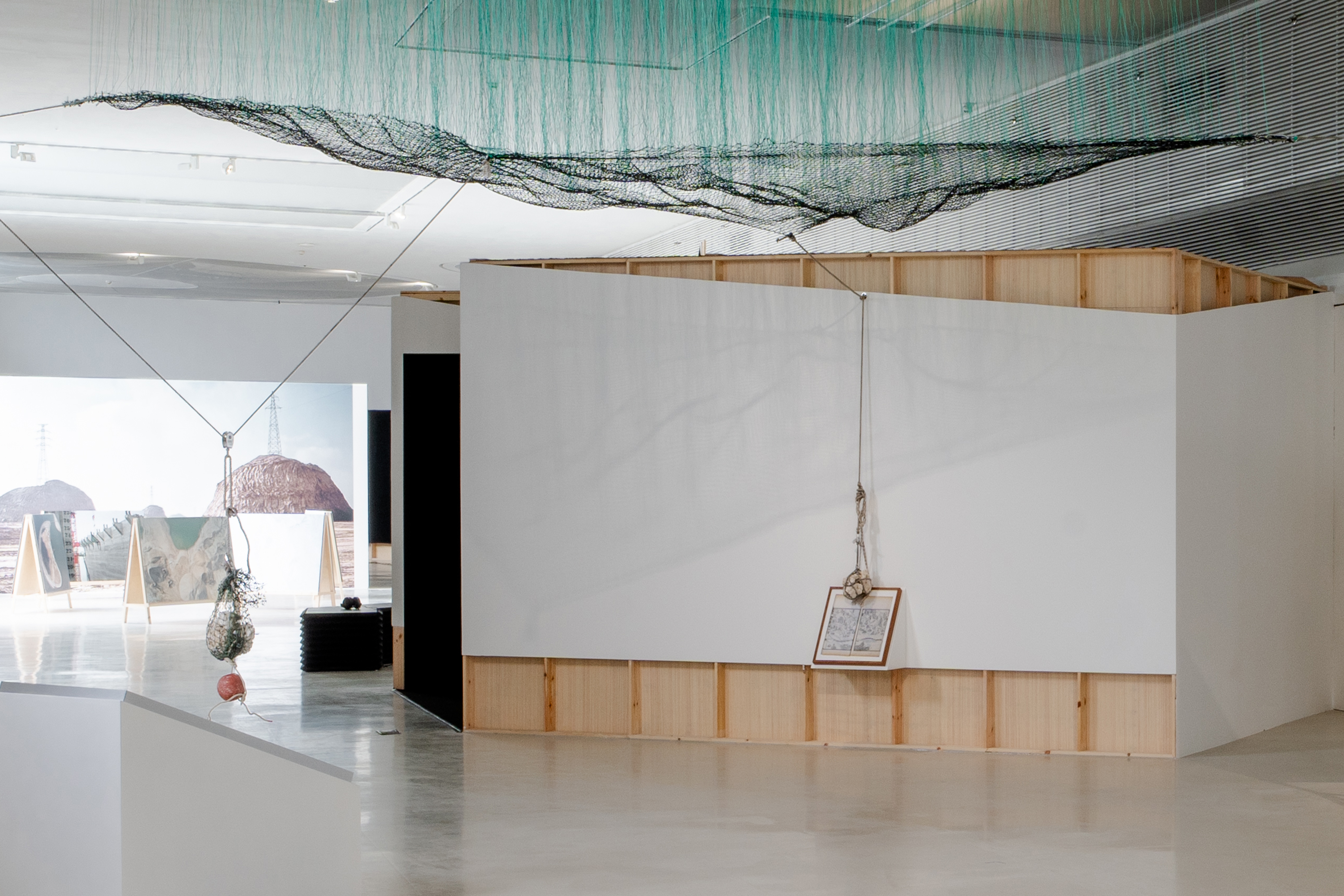
“islands” made with wood studs, dry walls, and acoustic felt
1
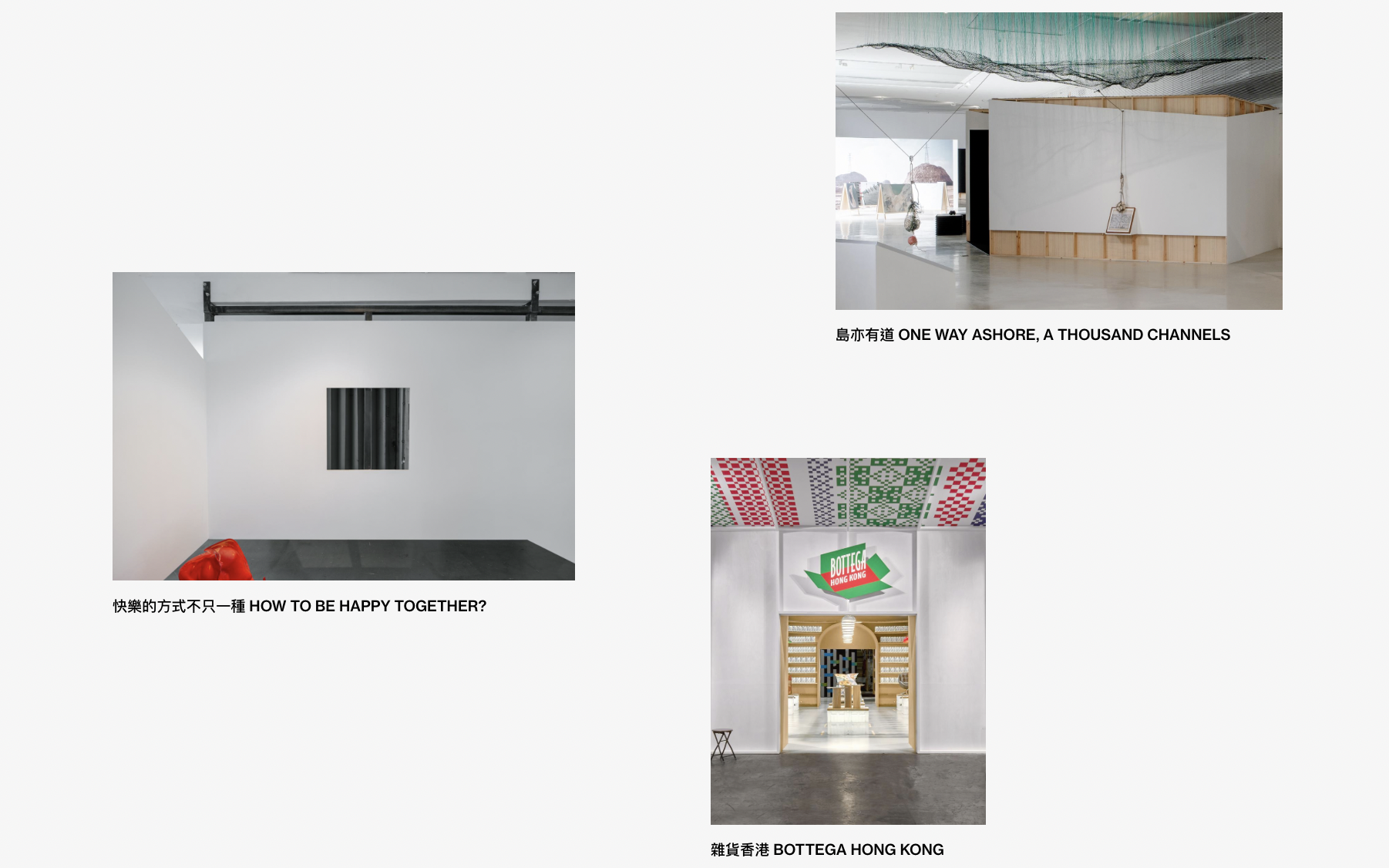
We completed the spatial design for two exhibitions before the new year of 2025 - “How to be Happy Together?” at Para Site in Hong Kong and “One Island Ashore, A Thousand Channels” at Times Museum in Guangzhou. Both projects have tasked us with careful consideration of the construction budget. We redeveloped the build-up of exhibition walls and experimented with the possibility of breaking away from conventional white-box gallery spaces. The Para Site exhibition features a hanging, inverted house-form space, echoing the antipodal tension between Hong Kong and Buenos Aires. The spatial inversion of both sides of the exhibition walls creates a dialectical relationship responding to curator Xiang Zairong’s notion beyond dualism. The Times Museum’s curator, Tan Yue, envisions multiple pathways to connect works of different media and forms. The space is formed by different arrangements of wood studs, drywall, and acoustic felt to accommodate various moving image and sound works, creating an archipelagic viewing experience for the audience.
The rapid construction process of these two exhibitions led to our interest in developing design methods rooted in everyday building techniques. On one hand, it facilitates understanding for the construction team and effectively controls costs; on the other hand, it allows for surprises from ordinary materials, which can be more inspiring than pursuing novelty at all costs.
We attempt to apply this experience to new forms of commercial environments. At the end of 2025, we received an invitation from Alan Chan and the Unveil Ltd. team to present works of different craftspeople and designers from Hong Kong and Italy at the Hong Kong Convention and Exhibition Centre under the theme “Bottega Hong Kong.” The combination of white timber walls and corrugated carton board shelves creates a familiar yet refreshing encounter for visitors, bringing a touch of everyday humor into a serious commercial setting through materiality and construction.


building elements recycled and reused in Kwun Tong
2
Two public space projects obtained through competitions and commissions in 2023 and 2024 have been realized and opened to the public in 2025. Urban Living Lab, situated in the fast-transforming Tai Kok Tsui neighbourhood, supported by the Urban Renewal Fund and organized by the Hong Kong Arts Centre, is an experiment on public space creation in Hong Kong. The entire structure resembles a parasol, transforming an underused urban site into a semi-outdoor space for community arts and public activities. This is Hong Kong’s first structural use of the glulam bamboo material. Our team’s collaboration with consultants and stakeholders overcame numerous challenges related to schedule and regulations, making it a valuable experience in making public architecture in Hong Kong.
The renovation design of the Kwun Tong Industrial History Pavilion poses the challenge of upgrading a public building already popular among the community while accommodating their evolving needs. Through discussions with the LCSD team and the first phase architect, Professor Wang Weijen, our approach involves disassembling, recycling, and reusing the aging structural elements, combined with new polycarbonate panels and steel components for renovation and reinstallation. This hybrid construction preserves residents’ familiarity with the space while introducing natural light, cross-ventilation, and greenery. This semi-outdoor leisure space is very well used for lunch and coffee by office workers during weekdays and becomes a community and family gathering spot on weekends. Observing how different groups engage with the space in various ways also offers a special form of architectural ethnography.
The design thinking behind these two projects is rooted in the relationship between climate and public space. Under subtropical monsoon conditions, through shading, rain protection, and ventilation, we explore the possibility of enhancing the level of comfort during Hong Kong’s rainy and hot seasons. During construction, we use materials that are familiar within the community but use them in ways that may not be so common in everyday practice, gaining residents’ acceptance in densely populated urban renewal areas and fostering a sense of place.
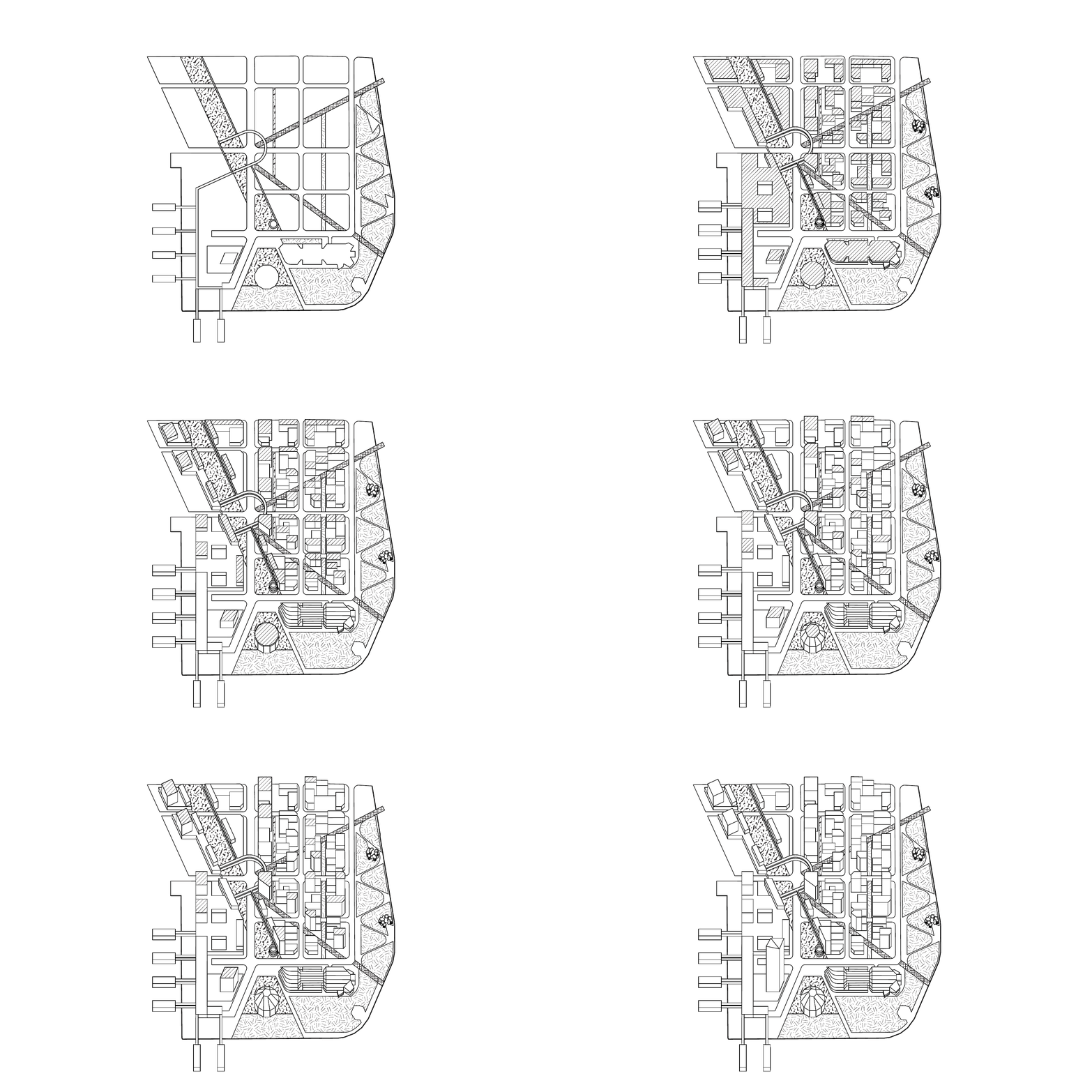
master plan for Dongguan Binhaiwan Cultural District observes the city las landscape
The experience gained from these public projects has inspired us to shift our focus in the past year’s architectural competitions, from primarily campus designs in Shenzhen to public building competitions across regions. Building on last year’s collaboration with Atelier Deshaus and Abalos + Sentkiewicz team in the Dongguan Binhaiwan Cultural District competition, we independently entered the Kunshan Park Community Center Renovation competition in Shanghai, winning third place. Designing within historic districts has always been a direction we want to explore. For these competitions, we invited Dr. Li Anqi and Dr. Guo Boya to participate in design discussions, providing intellectual and technical support, which led to many in-depth conversations beyond the formal competition proposals.
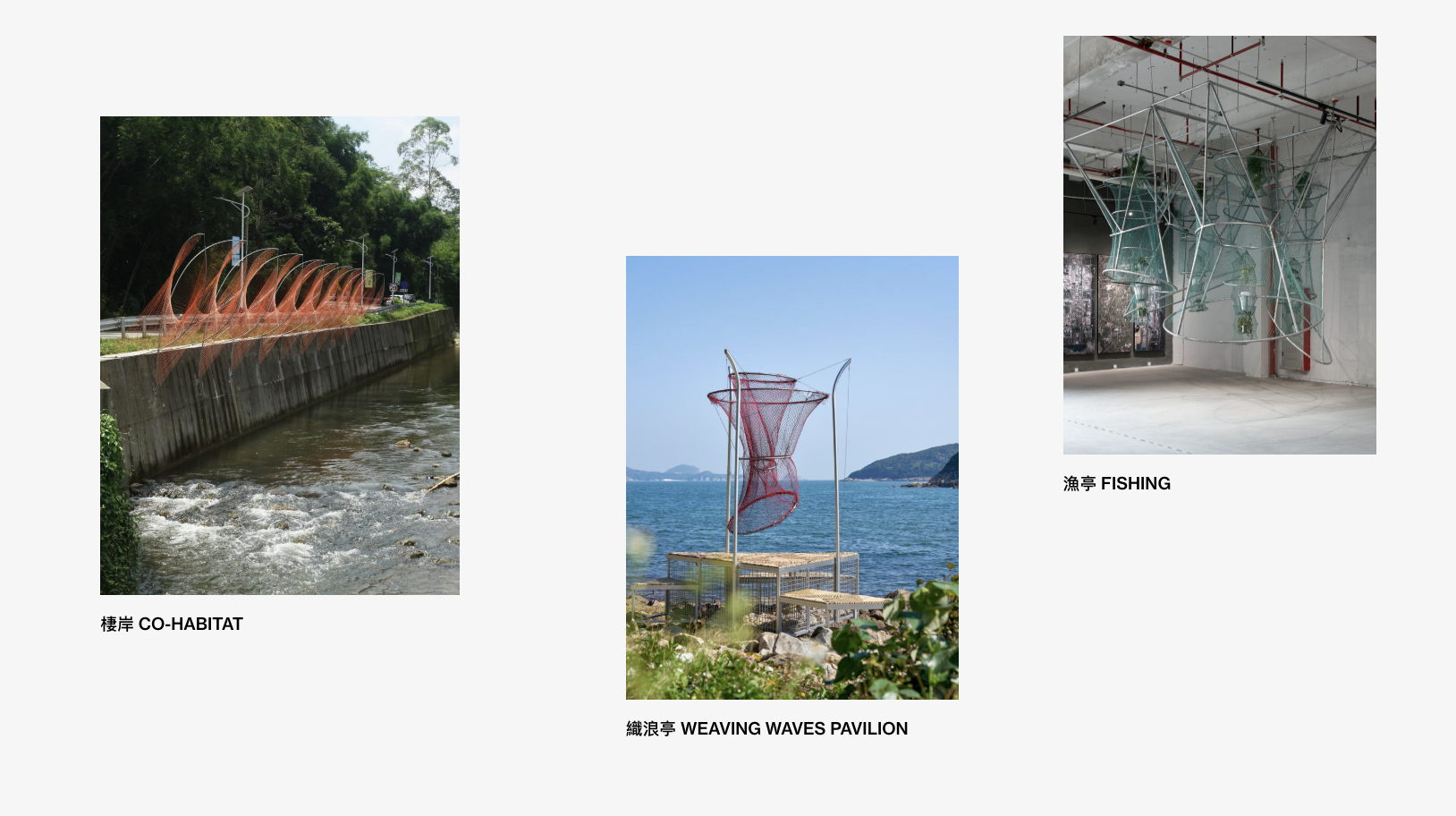


tectonic and spatial logic of Co-Habitat
3
Earlier this year, we were invited by architect Chen Donghua to participate in the Nankun-Luofu Mountains Public Art Project in Huizhou’s Xutian Village. Considering budget constraints, site limitations, and diverse stakeholders, we aimed to employ a lightweight construction approach to maximize the effects. “Co-Habitat” combines steel tubes and wires as primary elements for lightweight construction, continuing our experiences in the 2022 Shenzhen-Hong Kong Biennale’s collaboration with Dr.Ruo Jia’s “Fishing” and the 2023 Sai Kun Hoi Arts Festival’s “Weaving Waves Pavilion” collaboration with villagers from Kau Sai village. The design of the structure explores the possibility of minimizing transportation costs and maximizing spatial impact, allowing natural winds, light, rain, and stream water to resonate with the structure itself. We also took these public art projects as construction experiments to test soft construction methods, from the fishing net-infilled “Fishing” to the stretched net structure of “Weaving Waves Pavilion,” and now to “Co-Habitat,” where steel wires tension the tubes to hold the entire structure together. We hope to further develop this series of construction experiments, exploring more flexible and lightweight building possibilities in different settings and contexts.
“Design through collaboration” was a simple rule we set for ourselves since our studio’s inception. At the beginning, with limited experience, labour, and budget resources, it was an approach born out of practicality and necessity, sharing resources and support across the teams. Over time, we realized that the real value of collaborative practice lies in design discussions and sharing intellectual resources. In an uncertain industry environment, collaborative practice also provides mutual emotional support and helps us build new communities throughout the process.
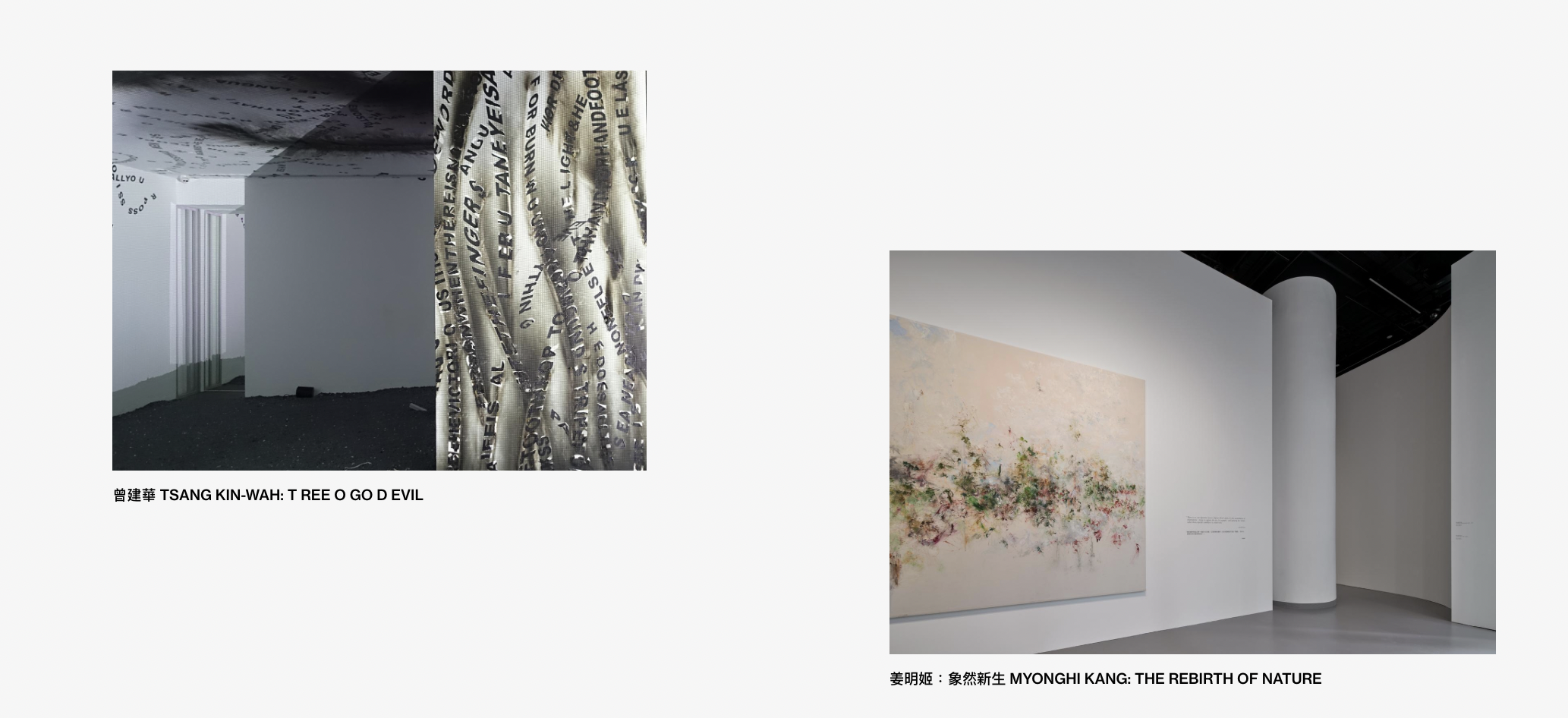
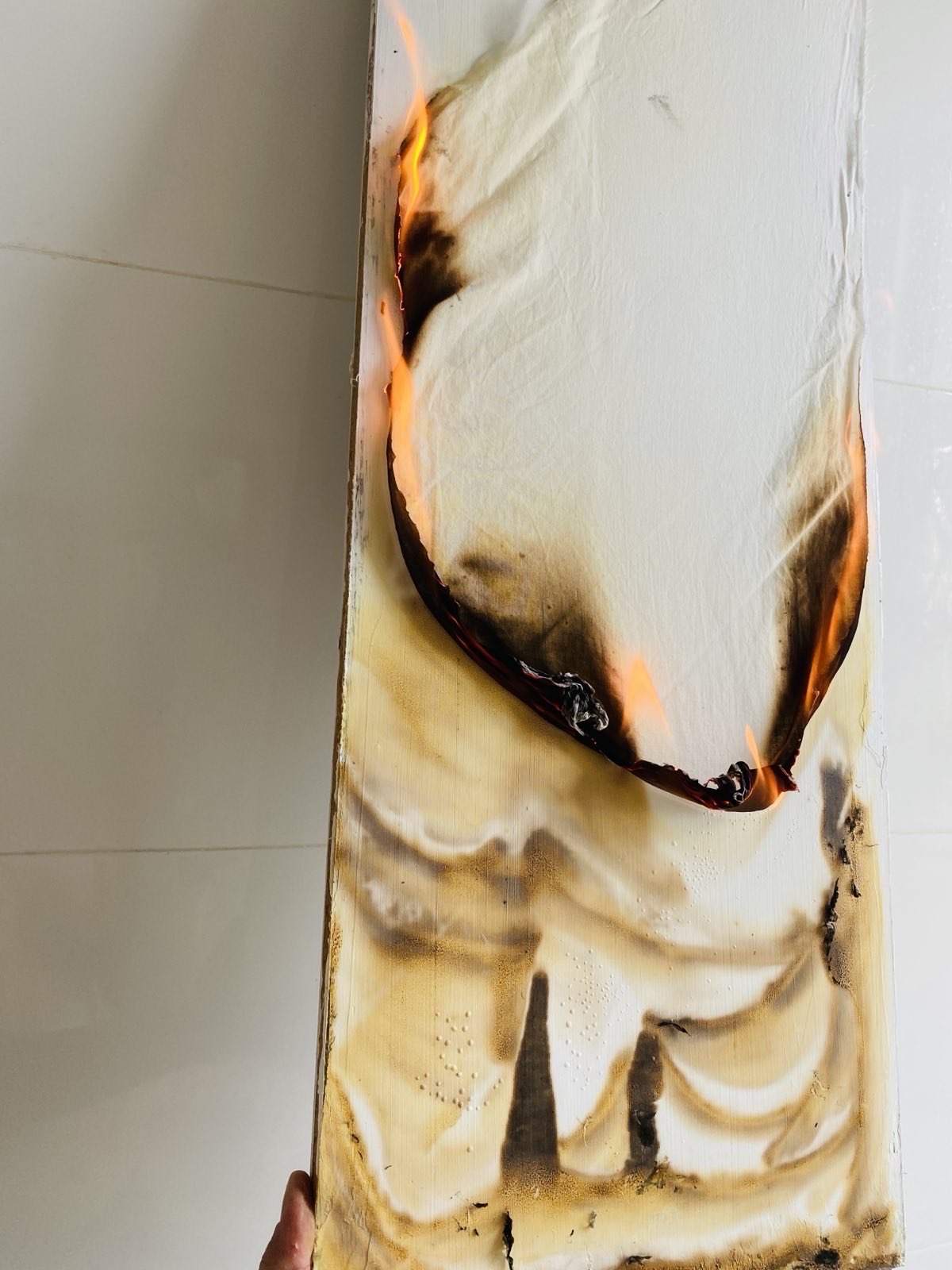
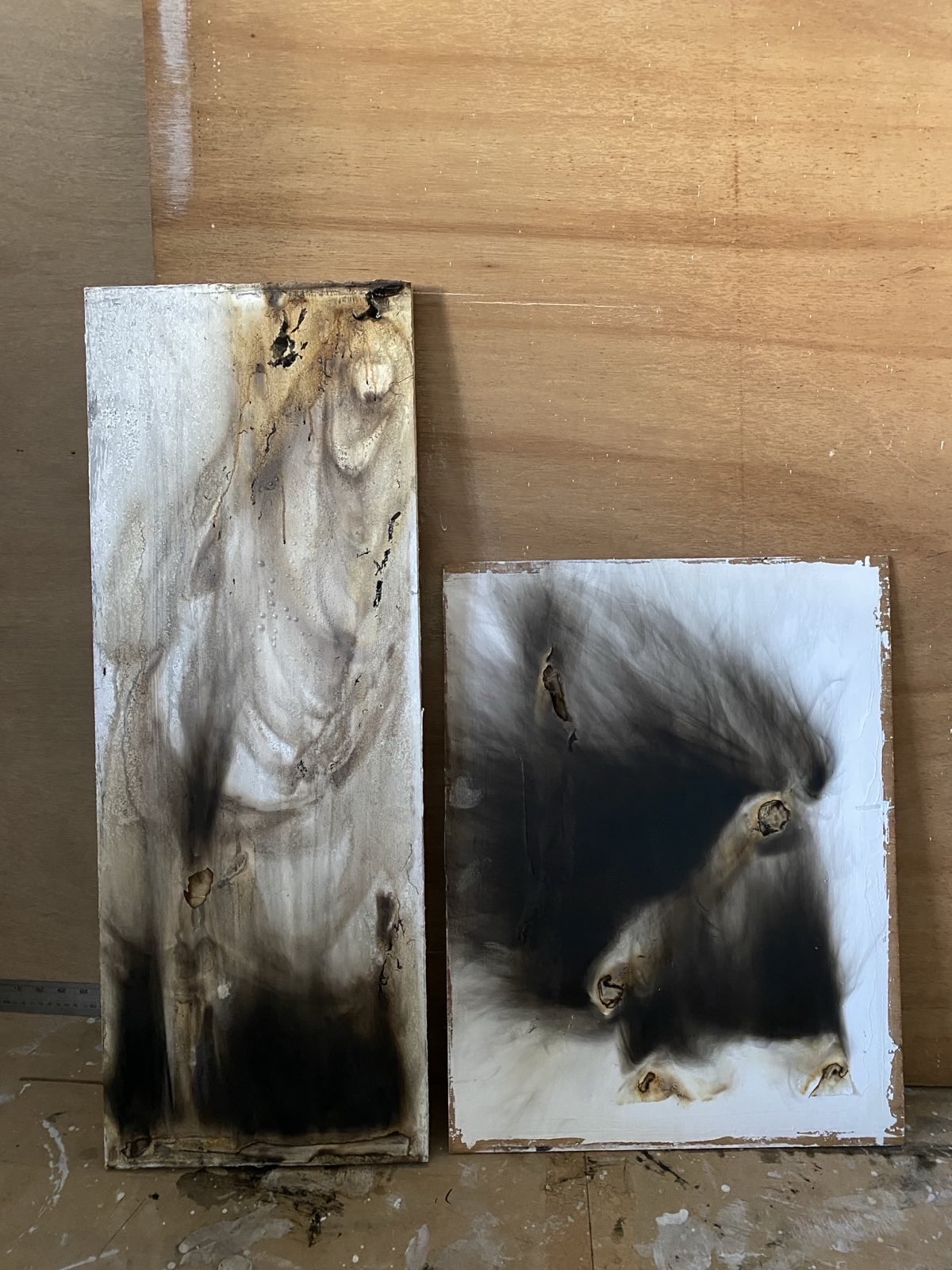
materials experiments, Tsang Kin-Wah
4
Collaboration with artists has been a significant thread of our practice over the past four years. This stems from our early interests and observation on Herzog & de Meuron and their collaborations with artists like Rémy Zaugg, Rosemarie Trockel, Thomas Ruff, Michael Craig-Martin, and Ai Weiwei, particularly their work with Joseph Beuys at the 1978 Basel Carnival. Naturally, these collaborations have to rely on the trust between artists, galleries, and institutions.
We had the privilege of collaborating with Tsang Kin-Wah for his solo exhibition T Ree O GO D EVIL at gdm’s gallery space in Hong Kong. The burnt walls and scattered gravel on the ground created a sense of place that transcended the immediate locale. The space integrated projected light and shadow from the artworks, blending the real and the virtual, embodying both historical depth and contemporary immediacy. Earlier last year, we collaborated with Villepin to exhibit Myonghi Kang’s solo exhibition at the Art Development Council’s exhibition hall in Wong Chuk Hang. The presentation of the tactile qualities and spatial atmosphere that artists pursue within Hong Kong’s highly controlled and generic indoor spaces has been a key focus of our discussions and debates, making the process both challenging and stimulating.
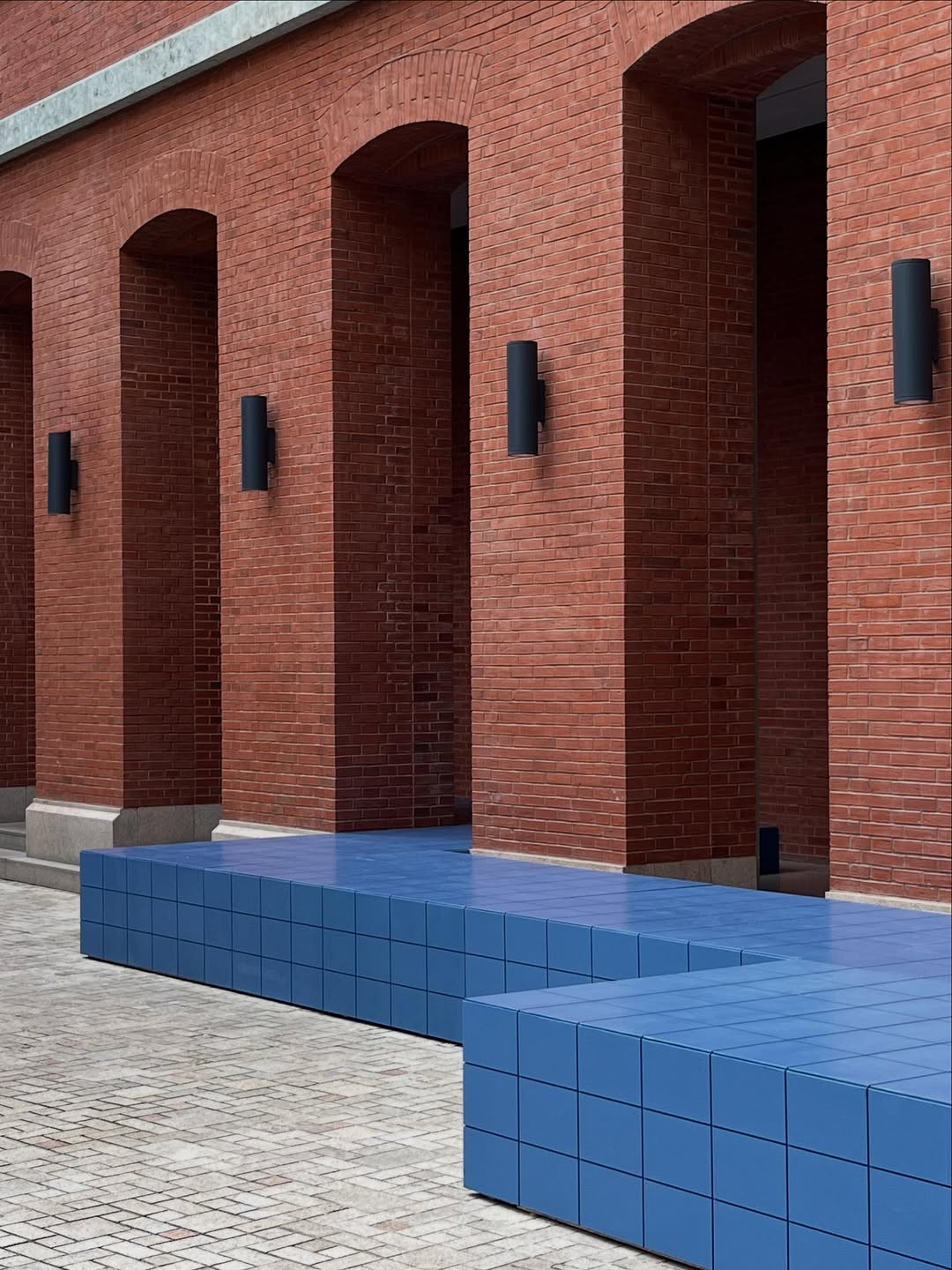
Tangent Essays at RAM Assembles
5
In addition to practice, we also connect with friends worldwide through the online platform Tangent Essays, using words as material to build relationships. This year, Tangent Essays participated in the Rockbund Art Museum’s “Ram Assembles,” curated by Rachaporn Choochuey, transforming the outdoor space of the Rockbund into a “picnic place” for arts and communities. Could such temporary public spaces become a new norm of contemporary Chinese urban life?
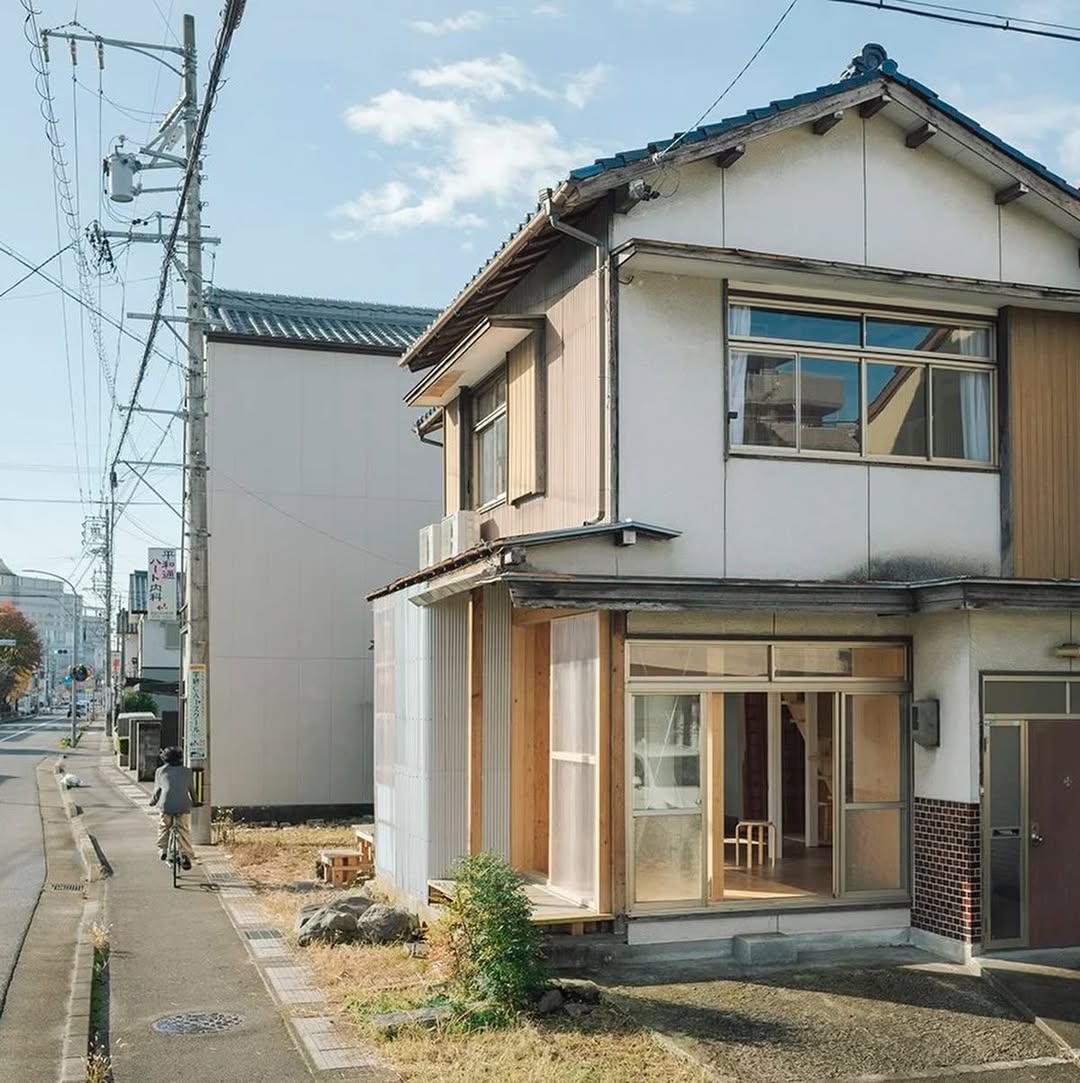
Public Homes with Tamotsu Ito in Gifu
6
Over the past six years, design teaching at the University of Hong Kong has become the main platform to articulate our interest in the material cultures of subtropical Asian cities. In collaboration with Tamotsu Ito, we undertook two design-build projects: one was a community mobile yatai that has become a small information booth at local weekend markets in Gifu; the other, in summer 2025, involved jointly converting an old house into a children’s after-school care-taking center with HKU students. This renovation brought us closer to understanding the collaborative methods of contemporary young Japanese architects and structural engineers, continuing our exploration of recycled materials and building components.
In discussions with Tamotsu Ito and Chen Donghua, we further invited Zhao Yang, Wataru Doi, studio tngtetshiu, Shen Ting Tseng, Sher Maker, and Muslim Architect for Community to participate in a seminar on subtropical architecture under the theme of “Public Parasols.” We hope to establish a platform for exchange between students and the new generation of practicing architects through this course, and also to foster a new collective within subtropical Asia.
During the process of designing the Kwun Tong Industrial History Pavilion, we studied the various types of industrial buildings in Kwun Tong. This unique vertical factory architecture is a product of the geographical, density, and economic conditions that shaped Hong Kong in the 1970s and 1980s. Curators Zhou Ying, Fai Au, and Sunnie Lau from the Hong Kong Pavilion at the Venice Biennale invited us to organize and exhibit this research. Due to limited data from the government, we extracted floor plans from real estate advertisements in Hong Kong and combined them with on-site photography to present this distinctive “future heritage” of Hong Kong at the Venice exhibition.

new teaching space for HKU Faculty of Arts
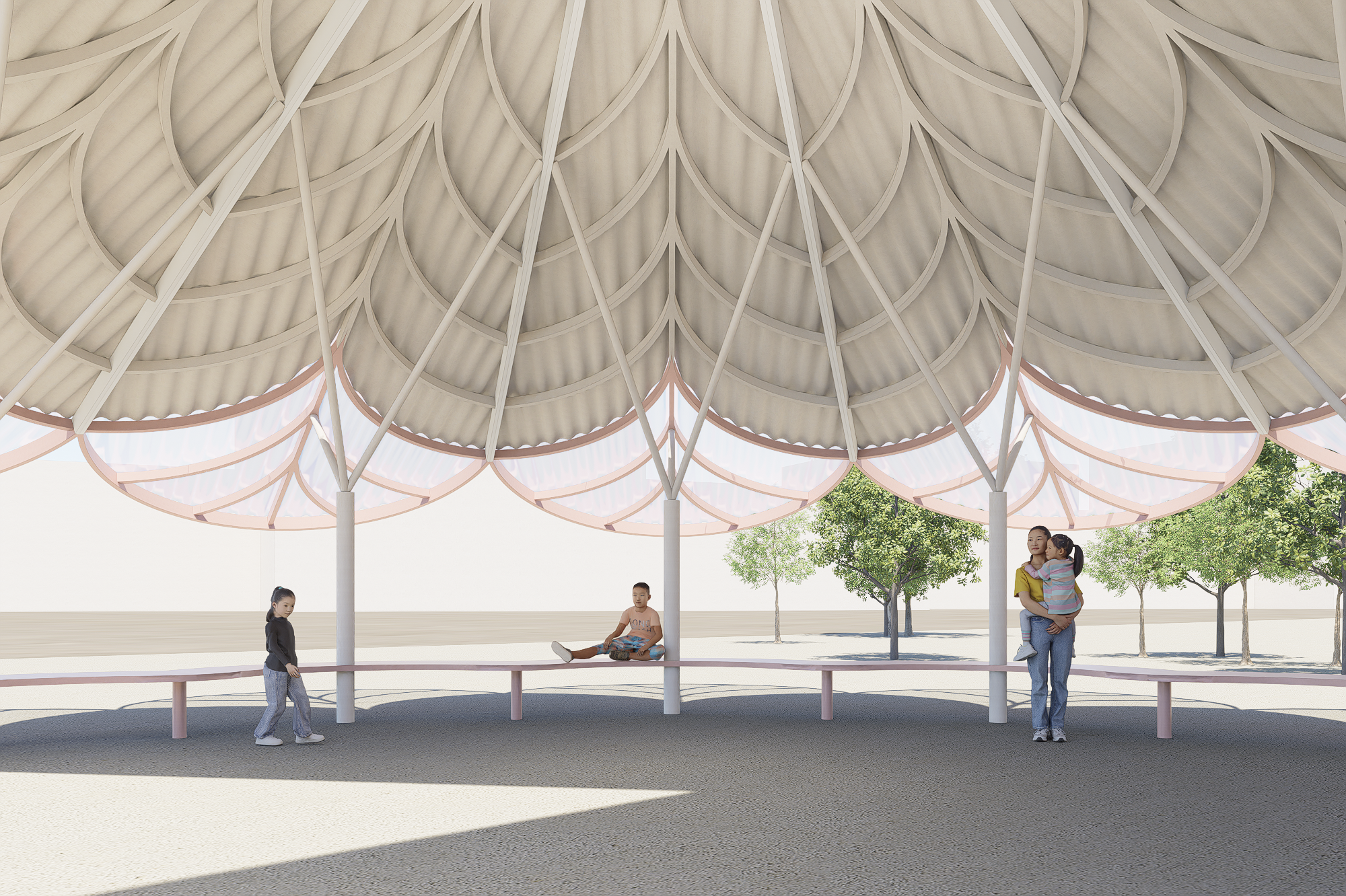
proposal for an outdoor loggia for a kindergarten in Dongguan